Do you need a permit for a porta potty on your property?
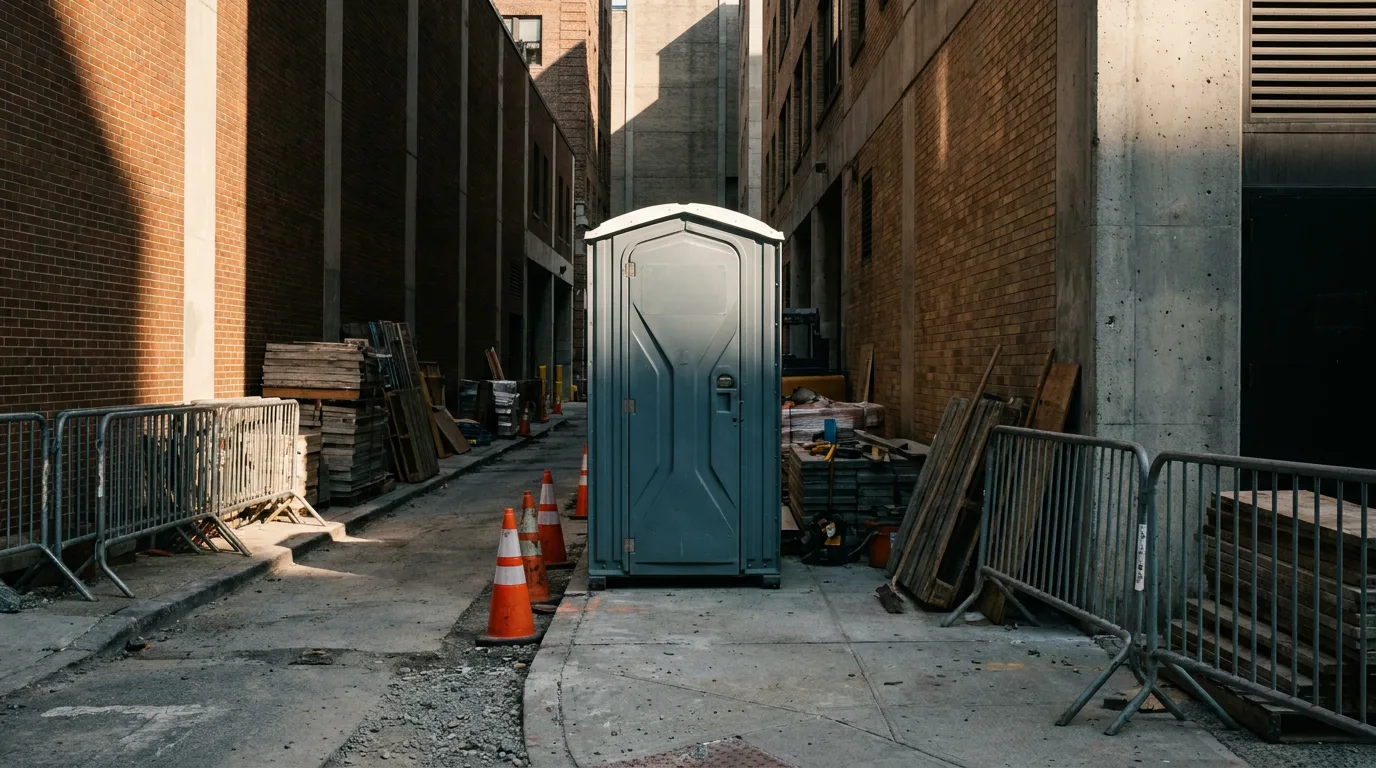
If the unit sits on your driveway, yard or a construction lot you control, most jobs move forward without a city permit. That covers the bulk of what Moreno Valley Porta Pros delivers for home renovation projects and backyard events. The line moves the moment any part of the unit touches a public street, curb strip or sidewalk. That is right-of-way, and placement there needs confirming with the city planning or public works office directly, since rules and fees differ by jurisdiction and were not verified for this page. Renters running a construction site in Moreno Valley should also plan for worker counts, not just placement. OSHA 1926.51(c) sets facility ratios by crew size: one toilet for 20 or fewer workers, then additional units as headcount climbs past 20 and again past 200. That rule applies regardless of whether the unit sits in a driveway or a lot near March ARB, 7.4 miles southwest of the city. Get the crew count right before you get the permit question answered, because both shape delivery.
What are the porta potty placement rules once it is delivered?
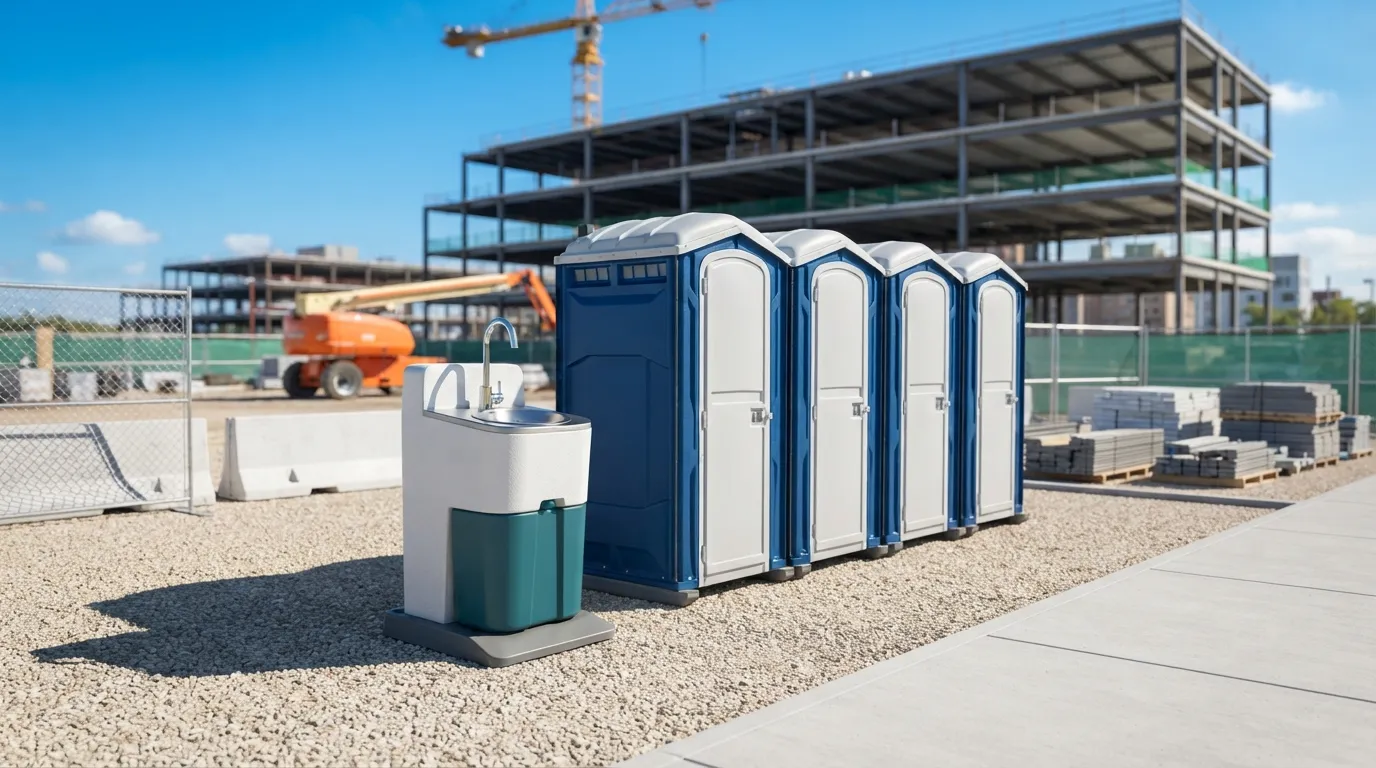
Placement rules exist because a unit set wrong is a hazard, not because anyone enjoys paperwork. Keep the door swing clear, keep the ground level, and keep access open for the pump truck on service day. ADA Standards section 302.1 calls for stable, firm, slip-resistant ground under any accessible unit, and section 304.3.1 calls for a 60 inch turning circle where wheelchair users need to maneuver. If you are renting for a jobsite, our porta potty placement guide walks through spacing for multiple units. A single standard unit runs about 44 by 48 inches on the ground and stands roughly 92 inches tall, so tight side yards in older Moreno Valley neighborhoods sometimes need a different spot than the first choice. For events expecting wheelchair users, ADA Standards section 213.2 requires at least 5 percent of clustered single-user units to be accessible, with a minimum of one. See our ADA accessible porta potty page for unit specs before you finalize a layout.
Does a dumpster need a permit too?
Roll-off dumpsters raise the same right-of-way question as porta potties, and the answer follows the same logic: private property is usually fine, street placement usually is not. A roll-off dumpster rental delivery needs about 60 feet of straight clearance behind the truck, which rules out a lot of narrow driveways and pushes some customers toward curb placement by necessity. That is exactly the scenario that triggers a dumpster permit conversation with the city, whether you are in Moreno Valley or filing for a jersey city dumpster permit on an out-of-state job. Rules on dumpster permits, like porta potty permits, are set locally and were not verified here, so call before the container lands on pavement. Our dumpster permit requirements page covers the same question in more depth, and what cannot go in a dumpster is worth a read before the container fills up with the wrong debris. Weight limits matter too. Check dumpster weight limits before loading concrete or roofing shingles, since overage fees are common industry-wide even where permits are not required.
Why does temporary power need a permit but a porta potty might not?
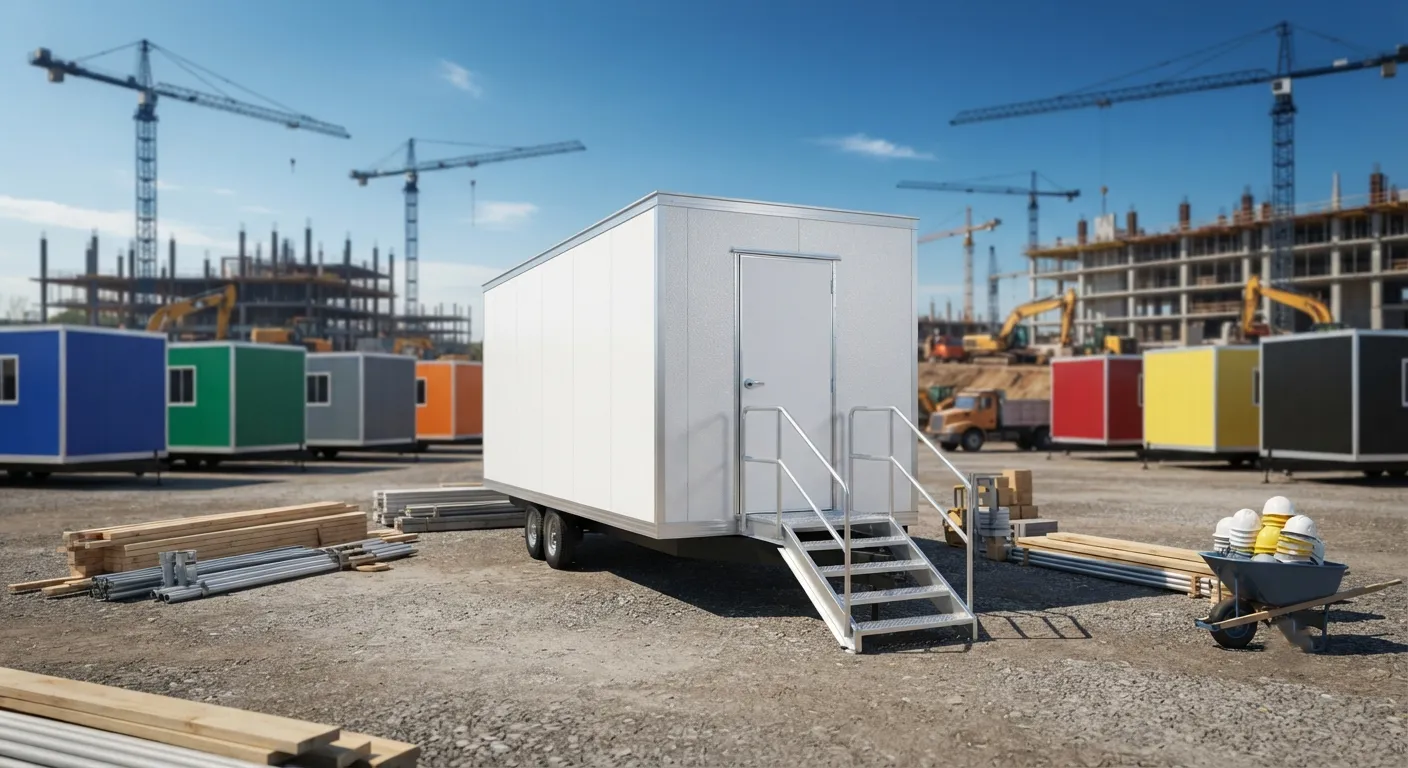
A temporary power pole draws from the grid, and that is the difference. Anything tied into electrical service typically triggers an inspection and permit process separate from portable sanitation, because the risk profile is different: a stray line is a hazard in a way a rented toilet is not. If your jobsite needs a temporary power pole alongside restrooms, expect a longer lead time on the power side. Bundle planning matters here. A site running temporary fencing, a light tower and restrooms together should sequence the power and fence permits first, since those often gate final inspection, while restroom and dumpster placement on private ground can typically move faster. Crowd control barriers, covered under crowd control barrier rental, rarely need separate permitting when kept on private property, mirroring the porta potty pattern. For multi-service jobs anywhere near Loma Linda, 15.4 miles north, or Colton, 16.5 miles northwest, confirm each permit separately. Cities do not always bundle them.
FAQ
Do I need a permit for a porta potty rental in Moreno Valley?
Not usually, if the unit stays on private property. Curb, street or sidewalk placement is the trigger point, and that needs confirming directly with the city since permit rules and fees are set locally and were not verified for this page.
Can I place a porta potty on the street in front of my house?
Only with the right permit, and that depends entirely on city approval. Placement in the public right of way is the exact scenario that requires confirming with Moreno Valley directly before delivery, since no blanket rule applies citywide.
Is a permit required for a dumpster on the street?
In most cities, yes, and Moreno Valley likely follows that pattern, though it has not been verified here. A roll-off dumpster rental placed on pavement instead of a private driveway is the situation most likely to need one.
How many porta potties does OSHA require on a job site?
OSHA 1926.51(c) sets one toilet for 20 or fewer workers, scaling up from there. Our how many porta potties do I need guide breaks down the higher tiers and links to full OSHA portable toilet requirements.
Does a temporary power pole need a permit in Moreno Valley?
Typically yes, since it ties into electrical service and triggers inspection separate from sanitation equipment. Confirm timelines with the city early if your project bundles a temporary power pole with restrooms and fencing.
Next step
Get a delivery date
Tell us the address, the dates and the headcount. We size the order and confirm the route.